When energy security and economic growth come under pressure, political priorities shift quickly. Environmental goals are pushed aside as soon as they conflict with access to abundant energy and the pursuit of growth.
Our civilization depends on available energy power, meaning our ability to deliver enough useful energy at the rate required by the real economy. A massive water reservoir is useless if the flow and pressure are insufficient when everyone turns on the tap at the same time.
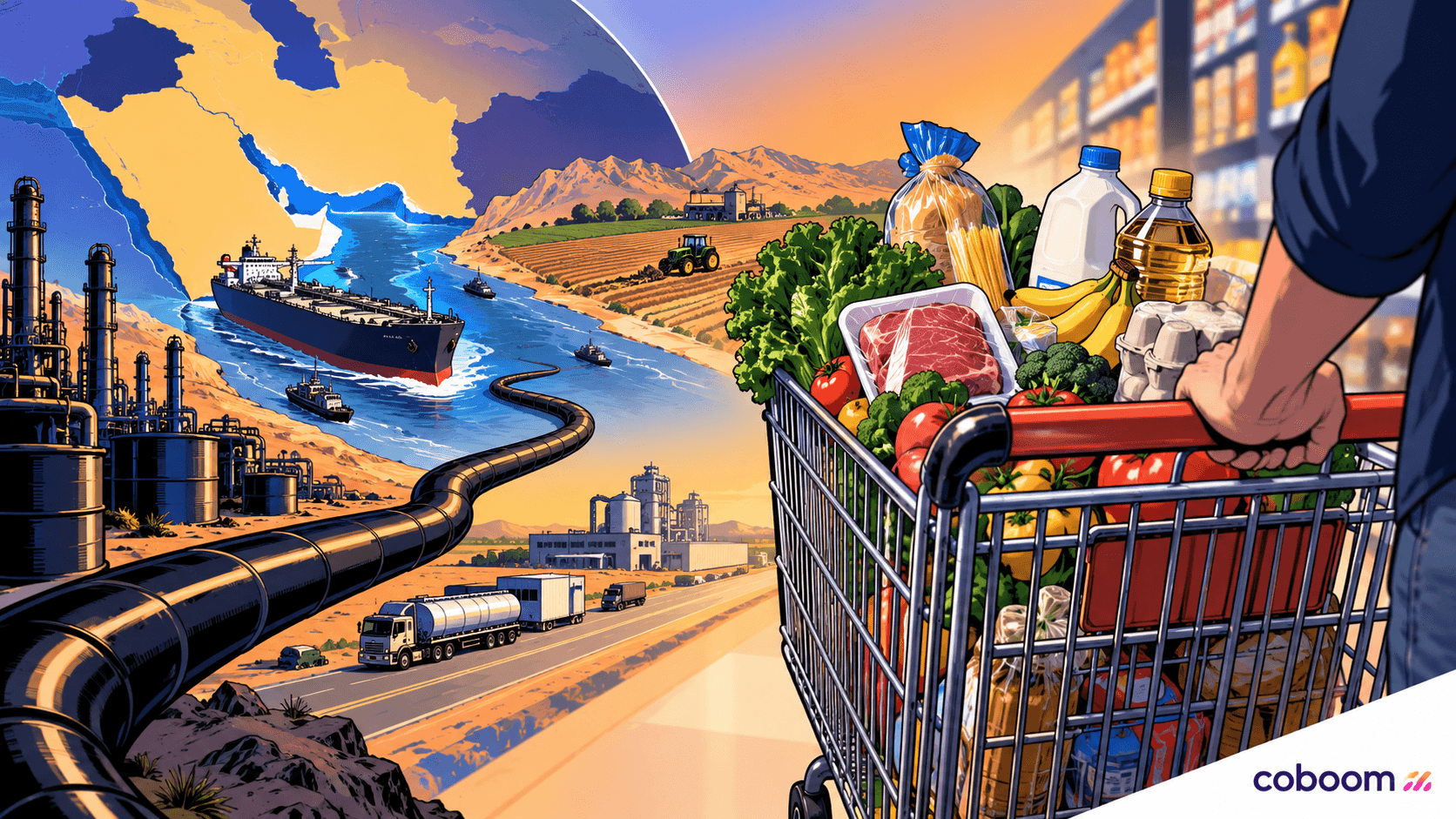
That is precisely why oil remains so strategic. It delivers enormous power while also being energy-dense, storable, transportable, and usable almost anywhere, making it essential to trucks, aircraft, mines, farms, construction sites, and global supply chains.
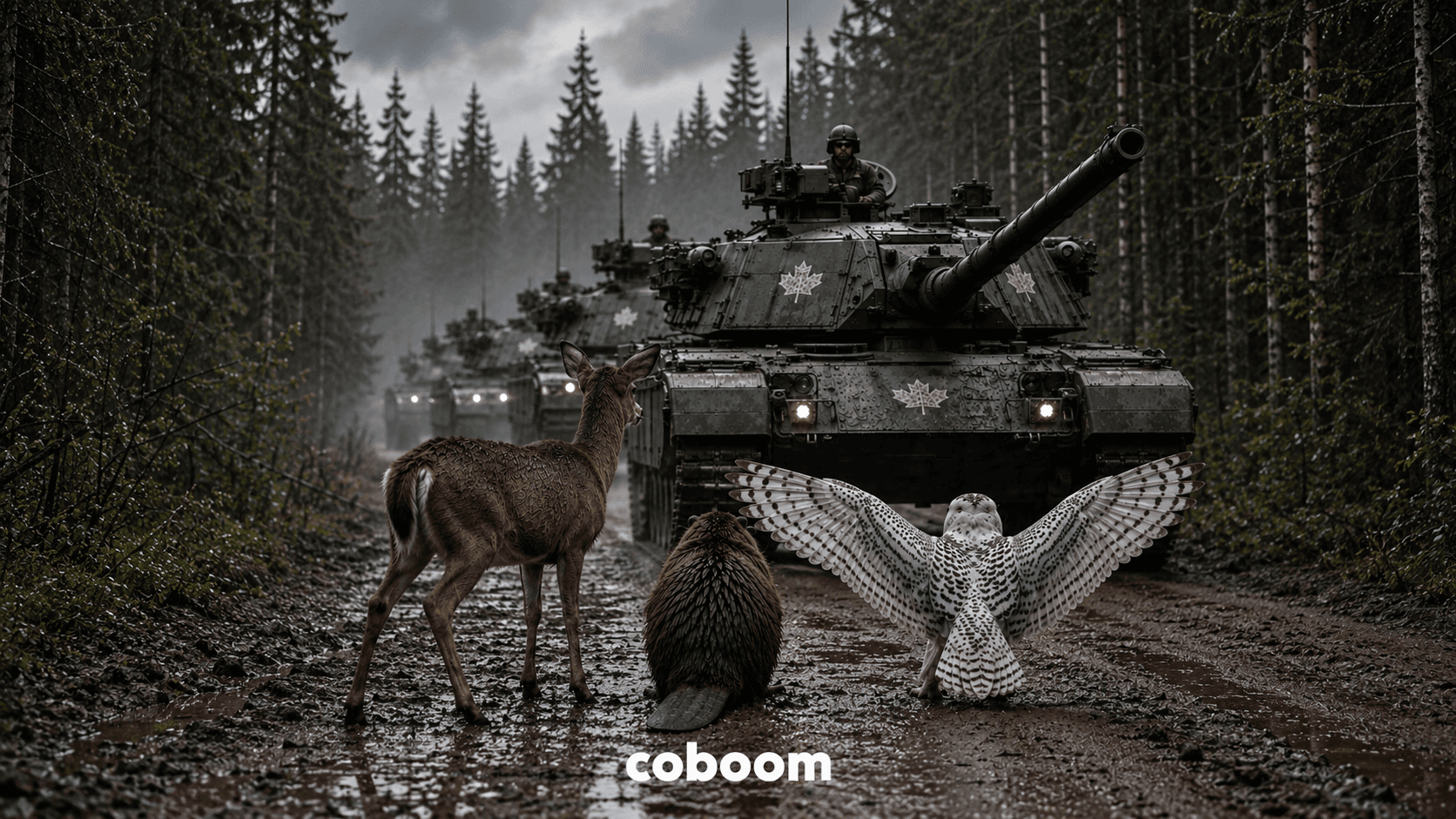
Canada’s current energy strategy reflects this reality. Ottawa and Alberta are moving to increase oil sands production, expand exports, ease environmental constraints, and develop new energy infrastructure, including additional pipeline capacity to reach Asian markets.
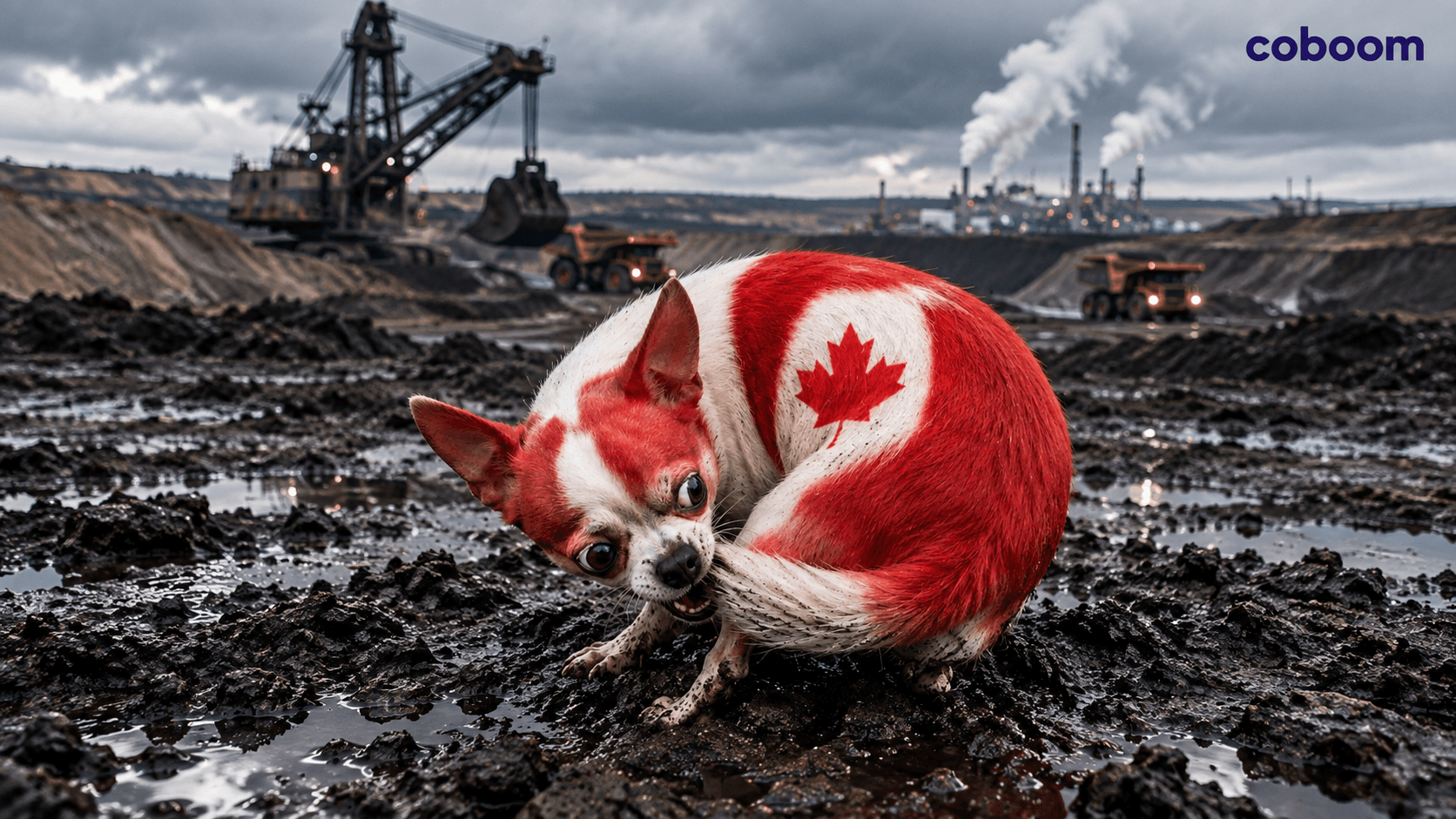
This strategy ties oil production to jobs, government revenues, economic growth, and energy security despite its enormous environmental footprint. Carbon capture is then positioned as the technological solution that would allow production to keep expanding while reducing emissions.
This dynamic reflects the maximum power principle: systems tend to capture and use more energy when doing so increases their ability to act. Our economy has followed this logic for two centuries by turning every new source of energy into additional economic activity.
Quebec follows the same trajectory. New renewable energy projects have not primarily replaced existing fossil fuel use; they have supported additional activities such as the battery industry, green hydrogen, data centers, transportation electrification, and new industrial projects.
We call this an energy transition, but it remains largely an energy stacking process. We add renewable capacity to power new activities while fossil fuels remain deeply embedded in transportation, agriculture, industry, and supply chains.
The core problem is not a shortage of green or sustainable slogans. As long as economic growth remains the dominant priority, every new unit of available energy will be mobilized to support more production and consumption, while ecological limits remain secondary until they become impossible to ignore.
The result is an economy chasing its own tail. The more energy and materials we mobilize to sustain growth, the more we intensify ecological disruption, which then destroys infrastructure, destabilizes supply chains, and imposes ever-higher costs on the economy.
At Coboom, we believe economic development in the 21st century must change its purpose. The goal is now to meet essential needs within increasingly constrained energy and material flows by building businesses and communities that are less dependent and far more robust.
Continuing to treat energy simply as fuel for economic growth locks us into a race we cannot win. Robustness begins when we use available energy to preserve our ability to live, produce, and make decisions within the limits of the physical world.