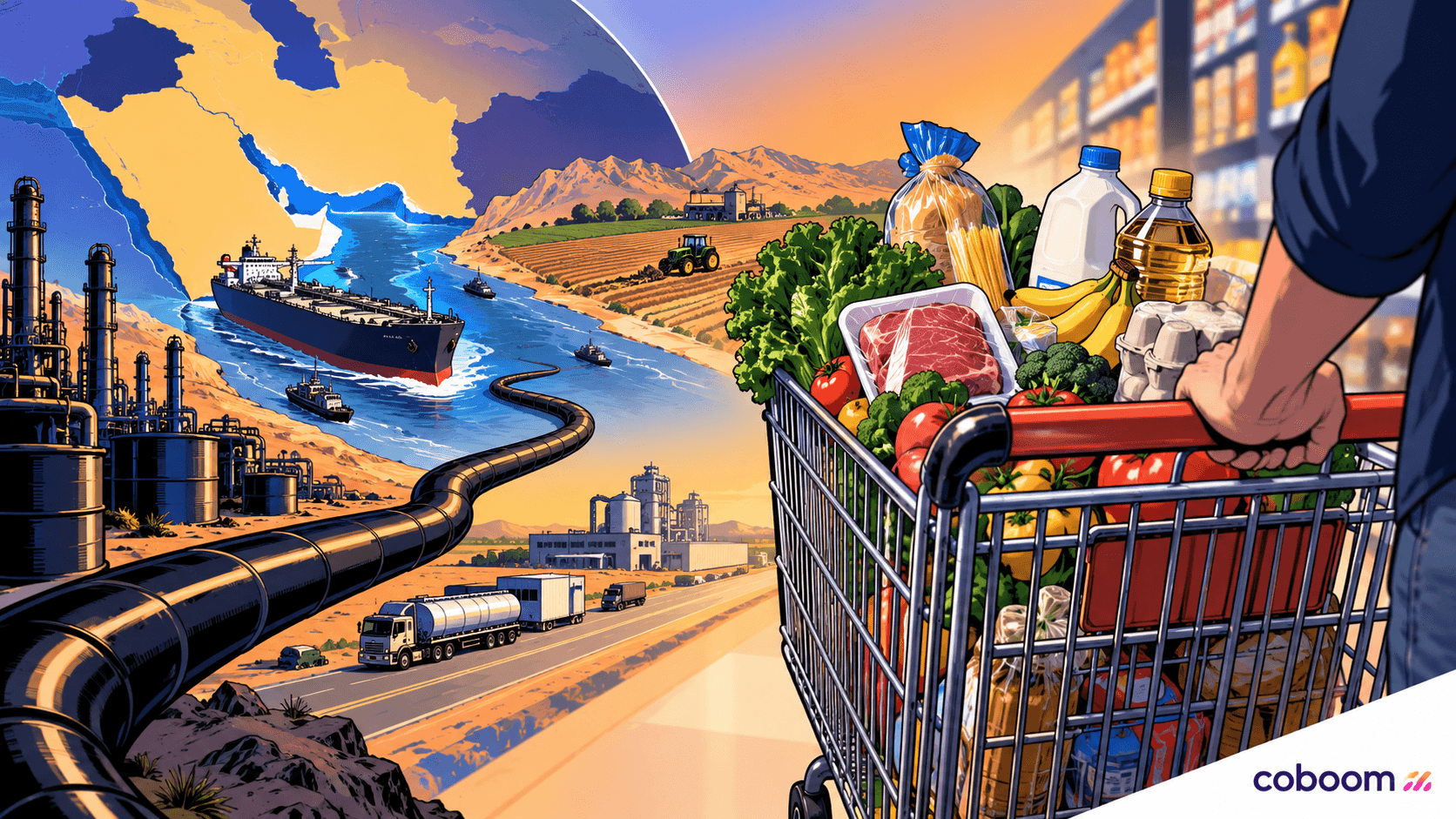
For many Quebecers, the Strait of Hormuz feels worlds away from the neighborhood grocery store. Yet this maritime passage is a critical artery of our globalized food system.
Before the war, roughly 20% of global petroleum liquids consumption and more than 20% of global liquefied natural gas trade passed through the Strait. Since the conflict began, maritime traffic has collapsed, exposing just how dependent our economies are on a handful of strategic chokepoints.
Our food system depends directly on these energy flows. Roughly 15% of the fossil fuels consumed worldwide are used by the food system, from agricultural production to transportation, processing, storage, and packaging.
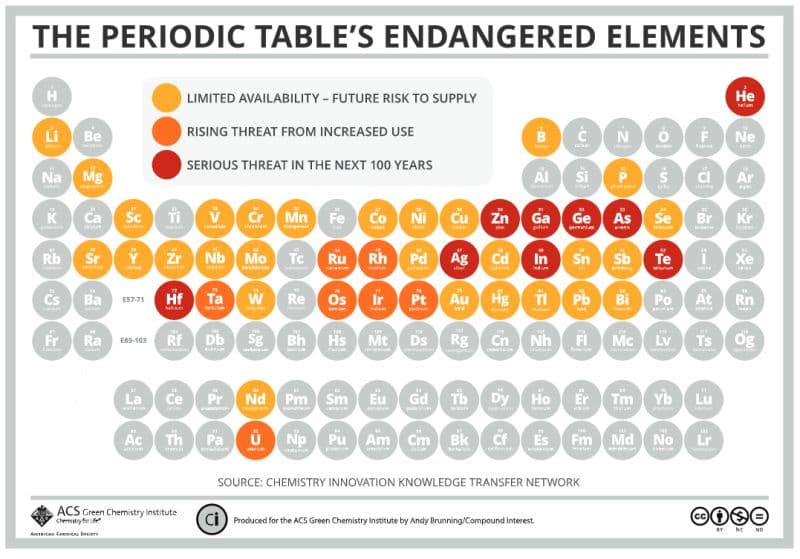
The crisis in the Strait of Hormuz has already hit global agricultural markets. Before the war, roughly one-third of internationally traded urea and nearly half of seaborne sulfur moved through this corridor, making fertilizers another direct casualty of any prolonged disruption.
For farmers, the mechanics are brutal. Diesel powers tractors and transportation, natural gas is a critical feedstock for nitrogen fertilizers, and petrochemicals provide a vast range of inputs used by industrial agriculture.
In Quebec, food is also an industry built on movement. Trucks connect farms, processors, distribution centers, and grocery stores, which means higher diesel prices move rapidly through the entire value chain.
Carriers pass fuel costs on to processors, processors pass them on to distributors, and distributors pass them on to consumers. With tight margins across much of the food system, the bill eventually lands in the grocery cart.
The dependence continues long after food leaves the farm. Processing, refrigeration, transportation, storage, and packaging all require large amounts of energy and materials derived from fossil fuels.
The plastic wrap around your broccoli, the tray holding your meat, refrigerated transportation, food containers, and the energy running processing plants all depend on the same fossil-fuelled industrial system. Higher oil and gas prices therefore become higher food prices.
Households already have little room to absorb another shock. Food prices have risen sharply since the pandemic, while food insecurity has grown and household budgets are increasingly squeezed by housing, transportation, and other essential expenses.
Oil is therefore an invisible ingredient in our grocery carts. The Hormuz crisis brutally exposes our double dependence on imported food and fossil fuels, two dependencies that export wealth while weakening Quebec’s autonomy.
As long as our food system depends on global supply chains and abundant fossil energy, the security of our food will remain exposed to wars, chokepoints, and decisions made thousands of kilometers from Quebec. A robust food system requires bringing production, processing, and consumption closer together while drastically reducing our dependence on fossil fuels.
For business leaders, the strategic priority is to reduce exposure to the price and availability of diesel, natural gas, fertilizers, and petrochemical inputs. For municipalities and economic and territorial development leaders, the priority is to accelerate both the transition away from fossil fuels and greater food autonomy.
The Strait of Hormuz is reminding us of a simple physical reality. A society that does not control its energy or its food does not control its economic security.