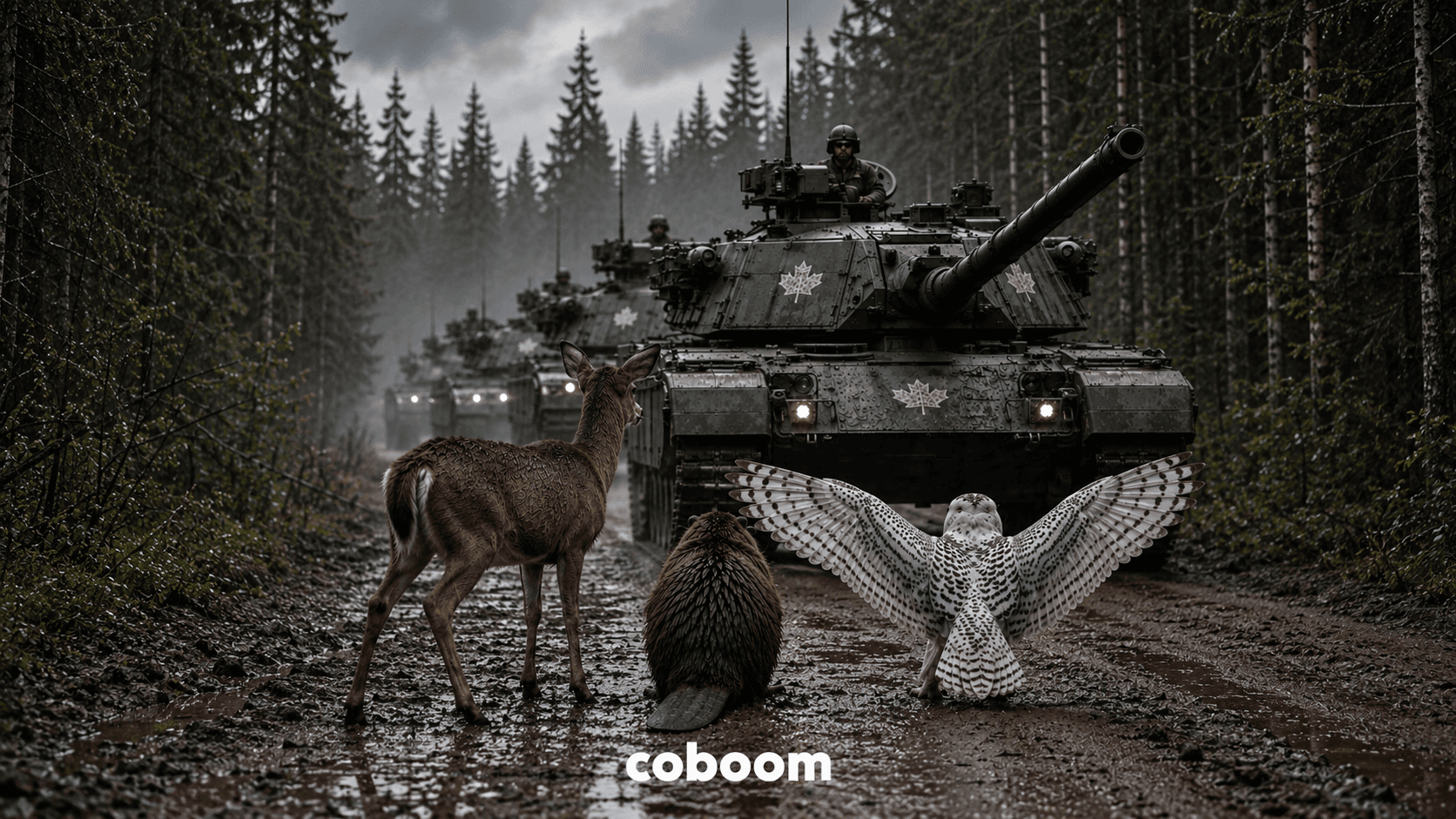
Canada is doing more than preparing its defense. It is turning militarization into a pillar of its economic strategy. Today, the country spends roughly $63 billion a year on defense, or 2% of GDP. By 2035, it plans to raise defense and security spending to 5% of GDP. This surge in largely unproductive spending will siphon off resources, talent, and billions of dollars that will no longer be available to the rest of the economy.
At the same time, the federal government is accelerating the approval of megaprojects designed with the economic software of the last century. First, we decide they must be built. Then, we green their impacts to make them more acceptable. Two examples illustrate this logic.
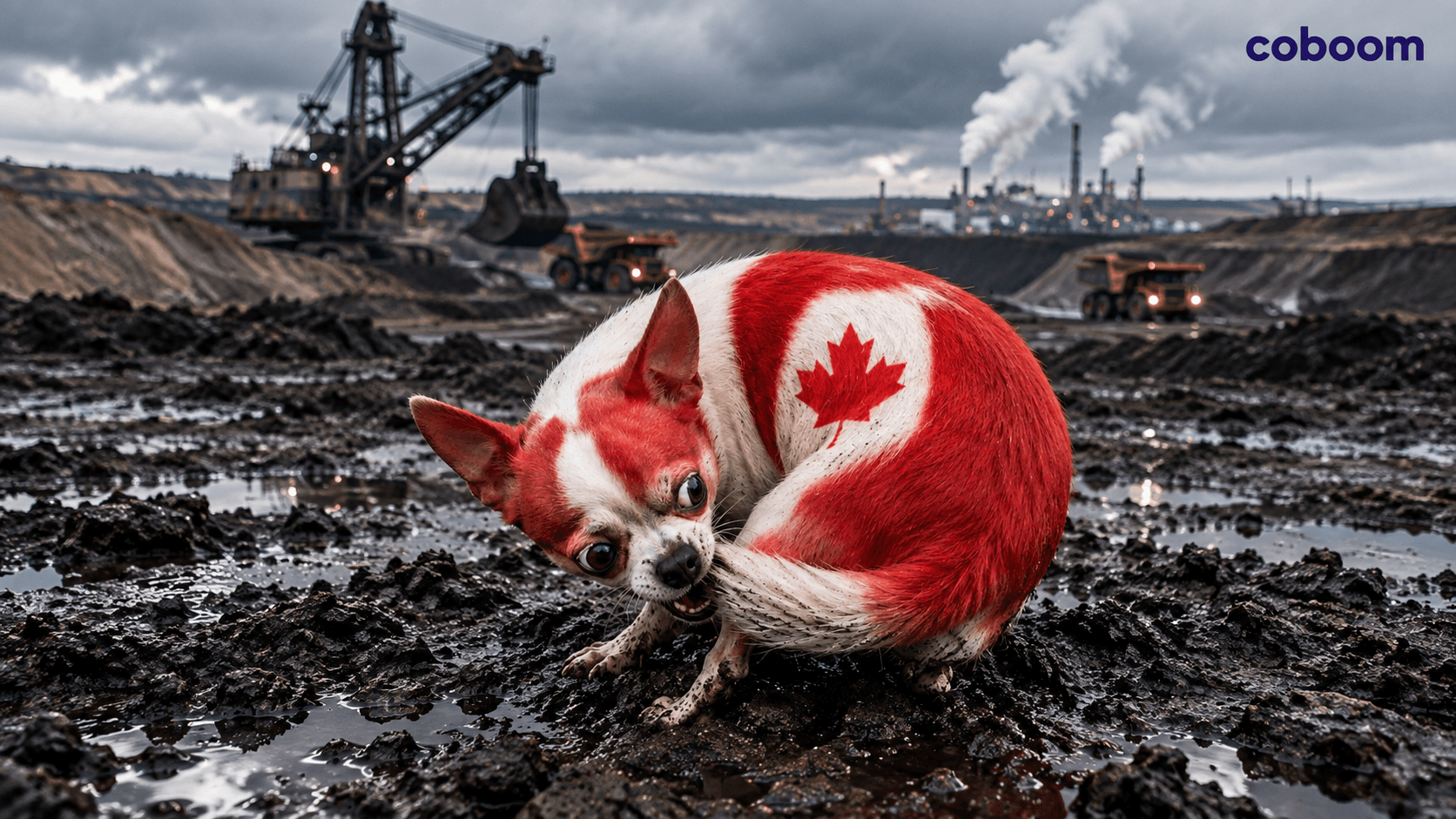
In Western Canada, Prime Minister Mark Carney’s government is advancing a new West Coast pipeline designed to carry one million barrels of oil a day, while pairing expanded oil production with carbon capture and other emission-reduction measures. It takes some nerve to package increased oil production as decarbonization. Our greenwashing specialists pulled it off!
At the Port of Montreal, major construction work has begun in Contrecœur, across the river, to add nearly 60% more container capacity while container traffic remains about 13% below its peak six years ago. We are building for growth that is no longer there, hoping it will come back.
The issue goes far beyond defending Canada or rebuilding certain strategic industrial capabilities. The deeper problem is turning militarization, driven in part by intense pressure from Washington for much higher allied defense spending, along with megaprojects designed for another era, into major engines of economic growth. These choices reveal a profound misunderstanding of the long-term trends that have been constraining our economy for decades and will radically reshape it by 2040.
This headlong rush, celebrated by much of the political, economic, and media establishment, may painfully push GDP upward and enrich a handful of companies, several of them foreign-controlled. For most people, especially our children and grandchildren, the legacy could instead be unproductive debt, zombie assets, depleted resources, and lasting ecological damage.
We have already crossed seven of the nine planetary boundaries that define humanity’s safe operating space, and all seven are moving further in the wrong direction. Yet Canada continues to pursue economic growth by extracting more, building more, consuming more resources, and pushing a growing share of the ecological and financial bill onto future generations.
A military program, an oil pipeline, or a port expansion can create jobs and increase GDP while simultaneously degrading the physical conditions on which much of our economy depends. Growth on a few corporate balance sheets will never compensate for the destruction of the ecosystems that sustain our prosperity.
This is a headlong rush financed by our taxes. Canada can do much better. Otherwise, Quebec, as a distinct society, will have to find the courage to chart a different path.