Every week, we speak with business leaders, government officials, and economic development professionals across Quebec. Most are focused on growth, yet very few are asking a more uncomfortable question: which sectors, products, or services may already be on borrowed time?
We call them “Zombies”: activities that still look viable today but may face unavoidable decline or disappearance by 2040. They are the blacksmiths of the 21st century, still operating, still generating revenue, but moving toward a future that may no longer support them.
For business leaders and public decision-makers, this matters enormously. Without a clear view of possible futures, we risk pouring time, money, and energy into projects that are dead on arrival, like Northvolt, which we will come back to, or into activities that may simply have no long-term future.
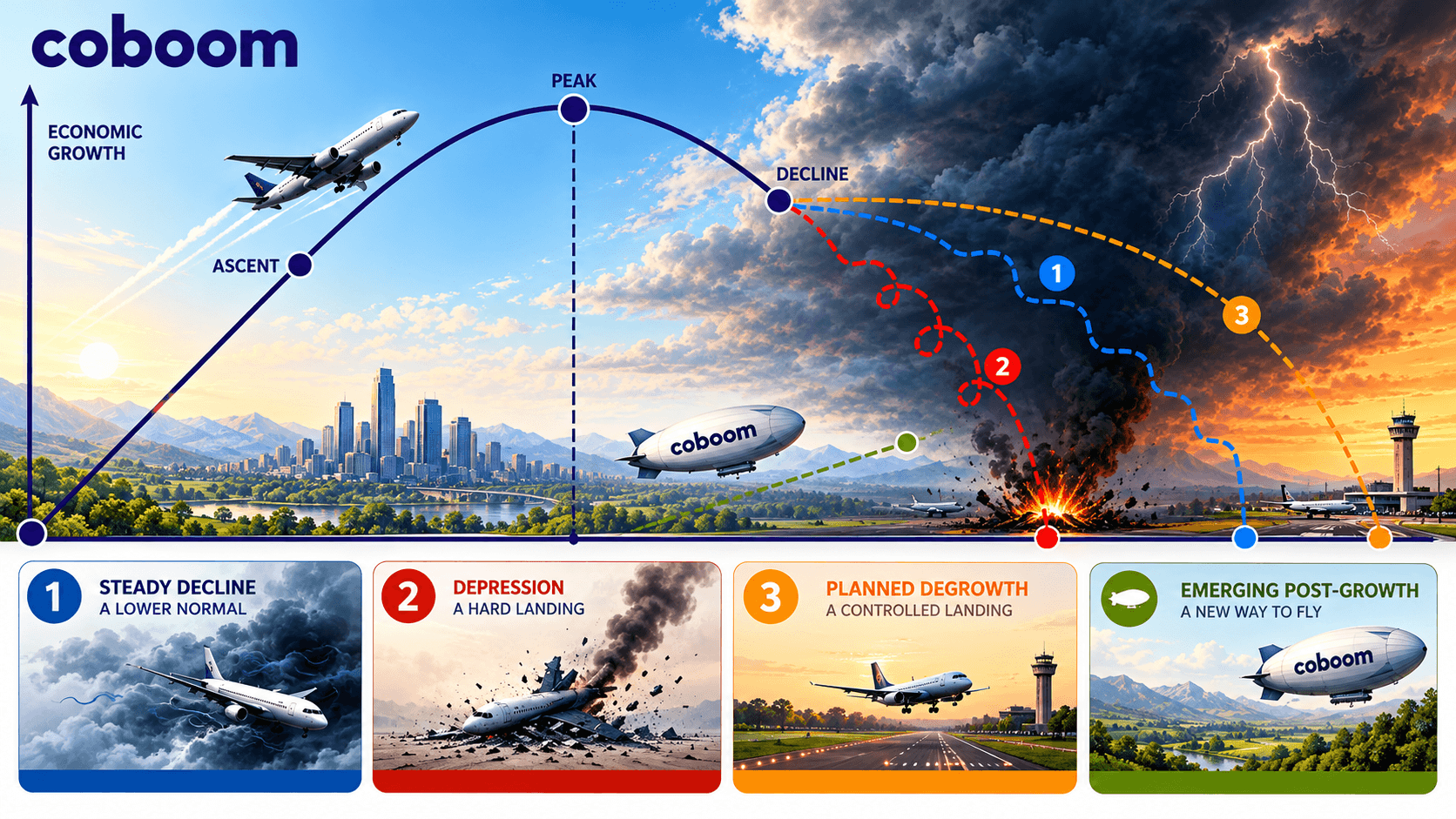
Growing a company or a region in a booming economy, as we did in the 1960s, is one thing. Doing it in an era of weak growth, resource constraints, demographic shifts, geopolitical instability, and environmental pressure is something else entirely. Canada’s growth has rarely exceeded 1.5% in recent years, pointing to a deeper and more persistent slowdown.
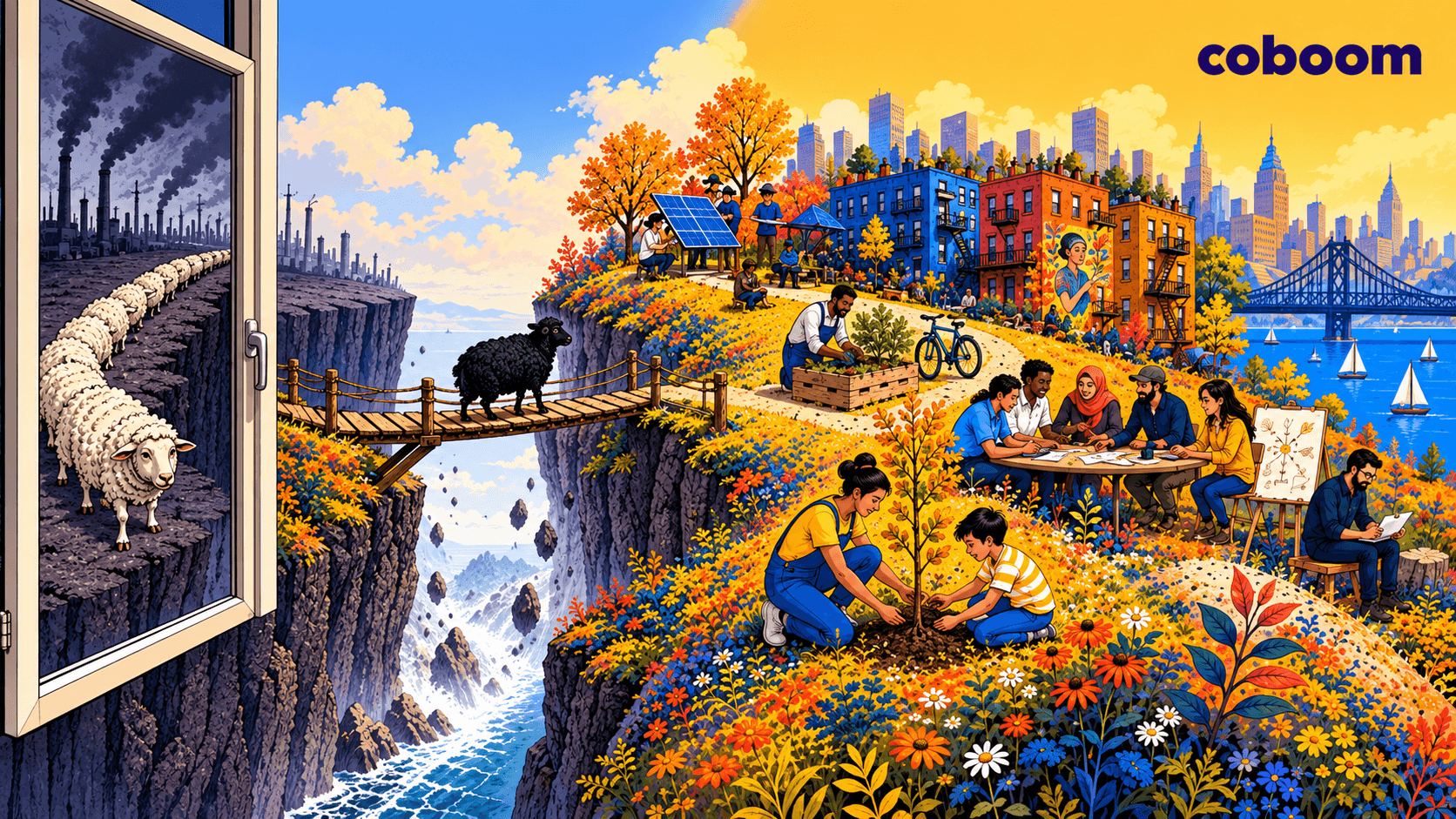
What we are facing is not a single crisis, but a systemic disruption in which economic, social, environmental, geopolitical, and technological pressures reinforce one another. This metacrisis is forcing us to question assumptions that have shaped our development models for decades.
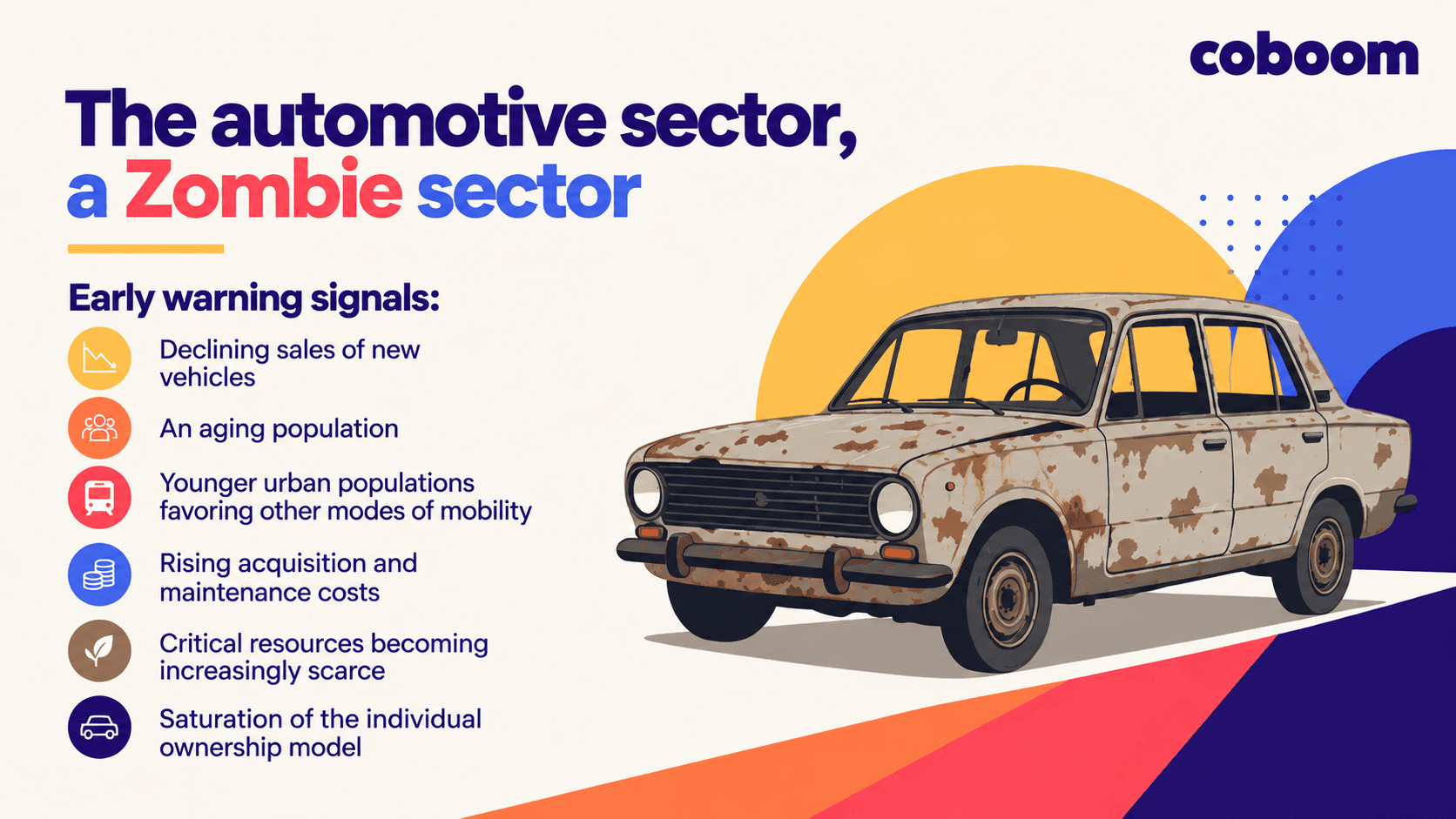
Take the automotive sector. It has been central to our economic history, yet it could face significant decline by 2040. Market saturation, population aging, urbanization, high vehicle ownership and maintenance costs, resource scarcity, and growing competition for critical metals are only part of the picture. Major manufacturers are already watching these forces closely, but they remain largely absent from public debate.
Building new battery plants on the assumption that the sector will keep growing indefinitely is less a strategy than a bet that the future will look like the past. In a metacrisis, that is a dangerous assumption.
We could name many other examples, but we would rather hear yours. Which sectors, products, or services already look like “Zombies” to you, or could become one by 2040?