One of the most fascinating differences between China and the West lies in the backgrounds of their political and economic elites. Xi Jinping studied chemical engineering at Tsinghua University and emerged from a long technocratic tradition: in 2002, all nine members of the Politburo Standing Committee had engineering backgrounds.
That culture profoundly shaped the way China thinks about power. Energy, infrastructure, factories, technology, resources, and long-term planning have occupied a central place in its strategy for decades, even as the educational backgrounds of its leaders have since become more diverse.
Western economies followed a very different path. Their political and economic centers of power increasingly came to be dominated by economists, financiers, bankers, lawyers, accountants, consultants, and market specialists, while finance itself took on a growing role in the economy. In advanced economies, private-sector credit already averaged more than 130% of GDP by 2013; in the United States, finance, insurance, real estate, rental, and leasing accounted for more than 21% of GDP in the first quarter of 2025.
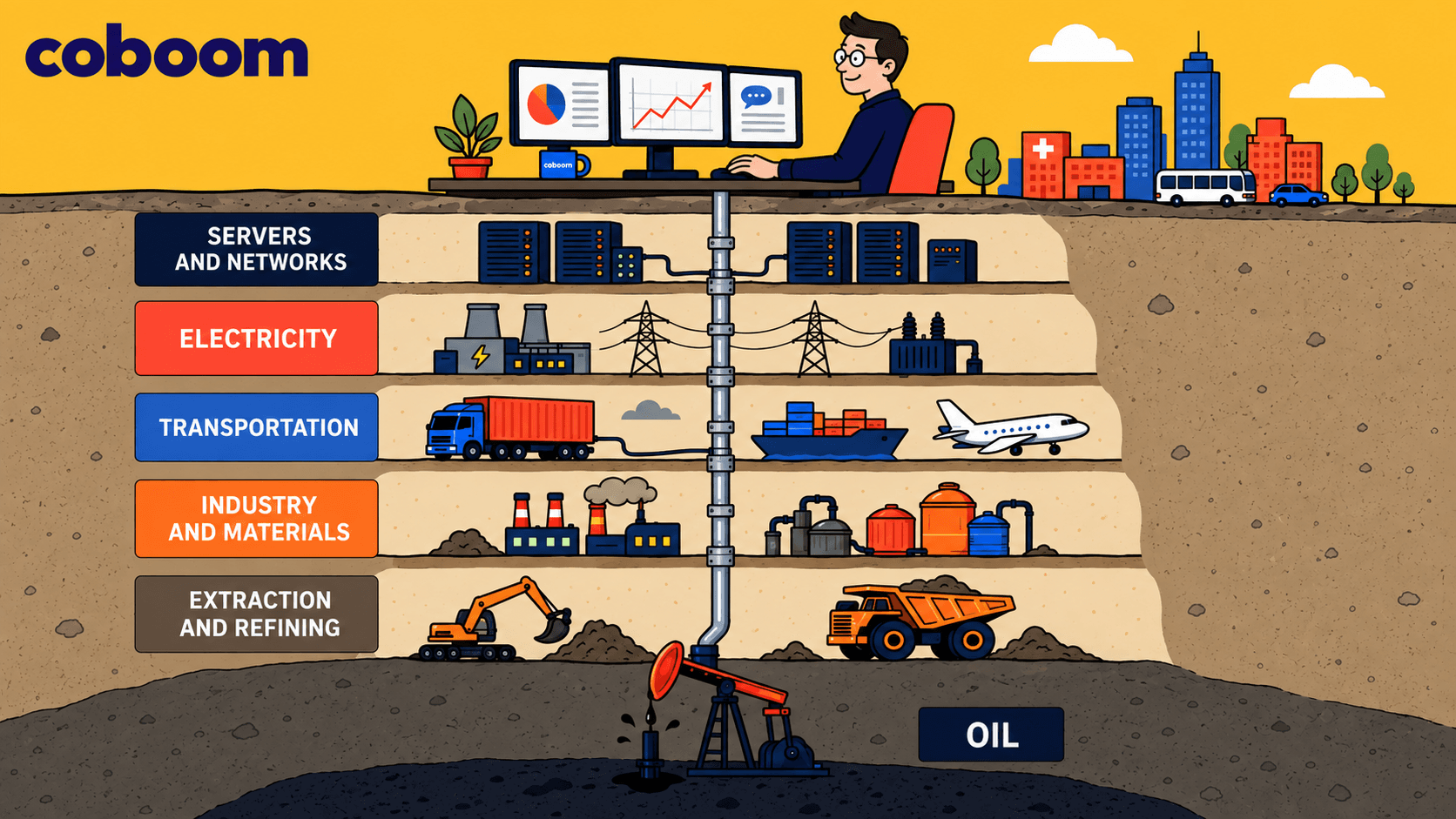
This hyper-financialization has deeply influenced the way we understand the economy. We measure wealth creation in dollars, returns, market capitalization, and GDP growth, while the real economy ultimately depends on energy, materials, mines, farms, factories, networks, infrastructure, and the biosphere that makes all of it possible.
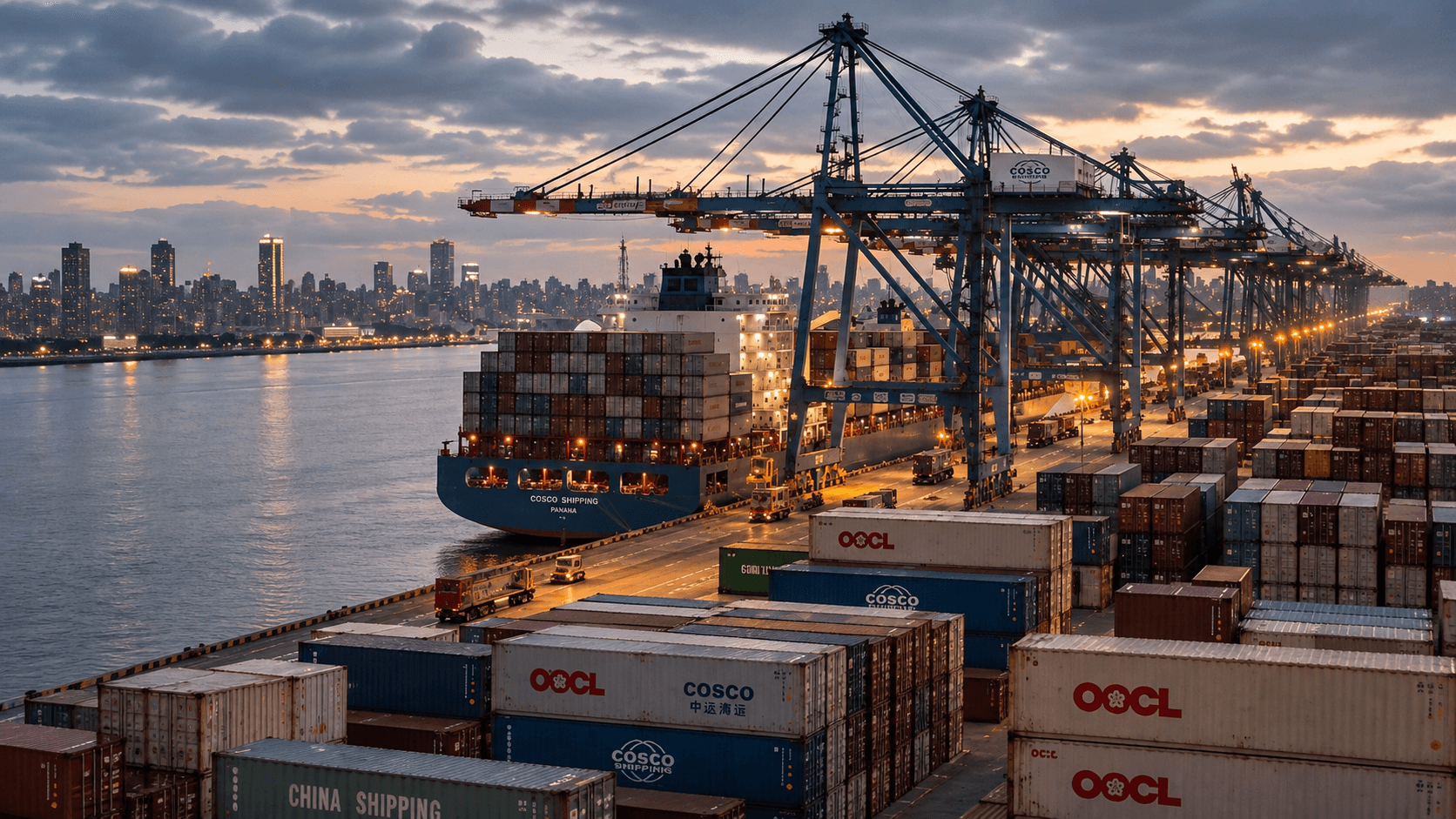
For decades, China has been strengthening these physical foundations. It now accounts for roughly 85% of global solar manufacturing capacity, about 80% of lithium-ion battery cell production, and 91% of global refining for the rare earth elements used in permanent magnets. These capabilities give China enormous leverage over many of the strategic supply chains that will shape the 21st century.
Over the same period, Western economies globalized their value chains, offshored significant portions of their production, and devoted a growing share of their human and financial capital to the financial economy. Trading floors, investment banks, law firms, accounting firms, private equity funds, and increasingly sophisticated financial structures expanded while a substantial share of manufacturing capacity moved to Asia.
Finance plays an essential role when it channels capital toward productive investment. Its expansion becomes a source of vulnerability when financial activity grows faster than the physical capabilities it is supposed to support. The result is an economy increasingly skilled at valuing, trading, leveraging, and restructuring assets while becoming more dependent on other countries to manufacture many of the things society actually needs.
For Coboom, the lesson is fundamental. A robust economy is built over decades through skills, energy, materials, infrastructure, industrial capacity, and control over critical supply chains. Finance can assign a price to these assets and markets can trade them, but economic power is ultimately built in the real world, where societies produce the food, housing, transportation, healthcare, energy, and goods that allow them to function.